How Thermal Expansion Damages Industrial Piping Systems
Thermal expansion is one of the primary causes of stress and failure in industrial piping systems. As piping temperature increases, pipe length expands. Without proper movement compensation, thermal growth can overload equipment nozzles, anchors, guides, expansion joints, and piping supports.
What Causes Thermal Expansion?
All piping materials expand as temperature increases. The total movement depends on:
- Pipe length
- Temperature differential
- Material coefficient of expansion
Common Failure Modes
- Flange leakage
- Pump nozzle stress
- Pipe buckling
- Expansion joint fatigue
- Support overload
- Weld cracking
Systems Most Affected
- Steam systems
- Chilled water systems
- Heating water systems
- Industrial process piping
- Long straight pipe runs
Methods of Compensation
- Expansion joints
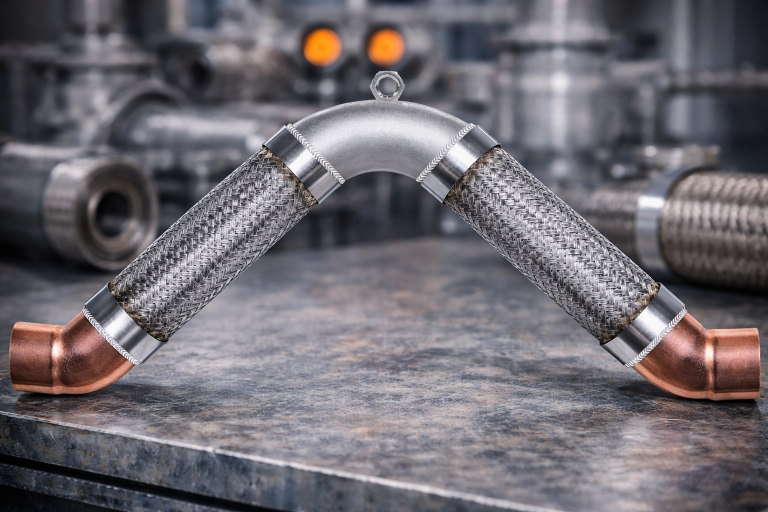
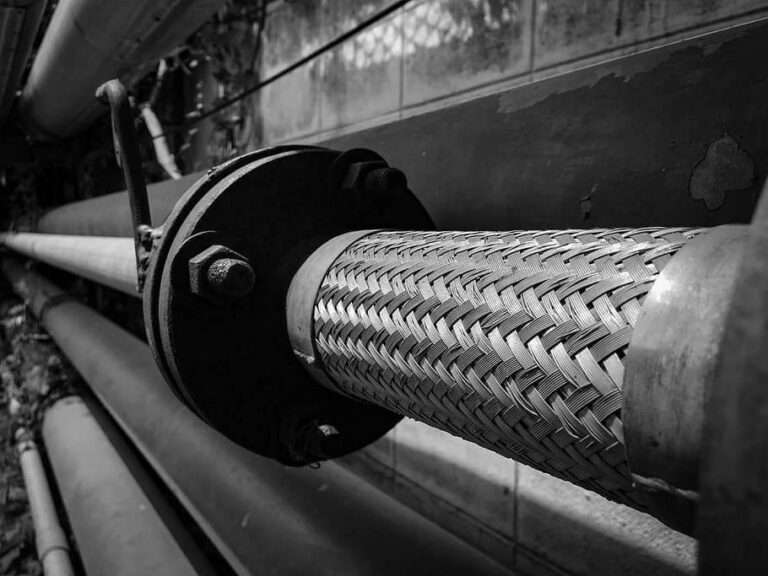
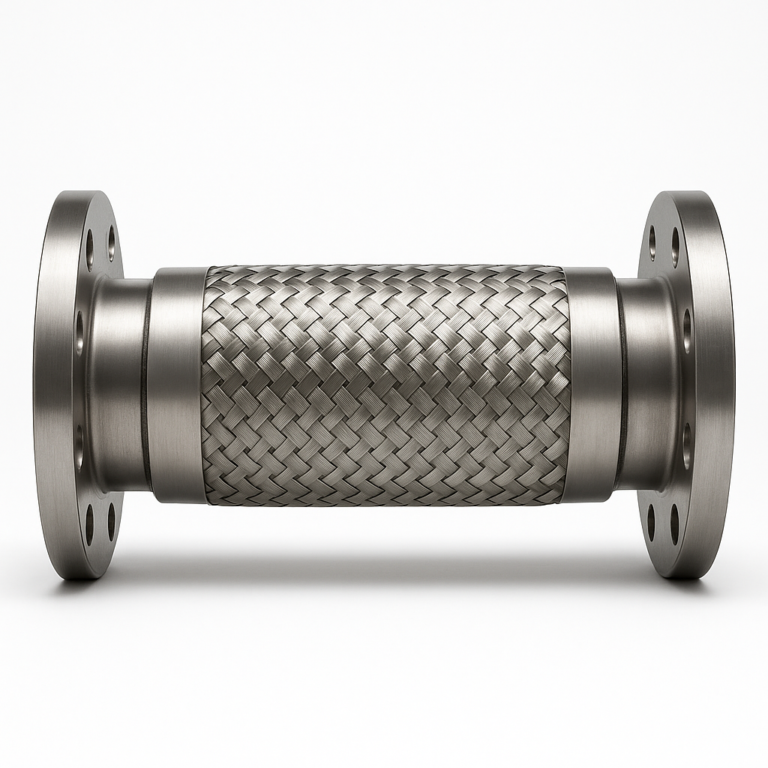
- Flexible metal hose assemblies
- Seismic V-loops
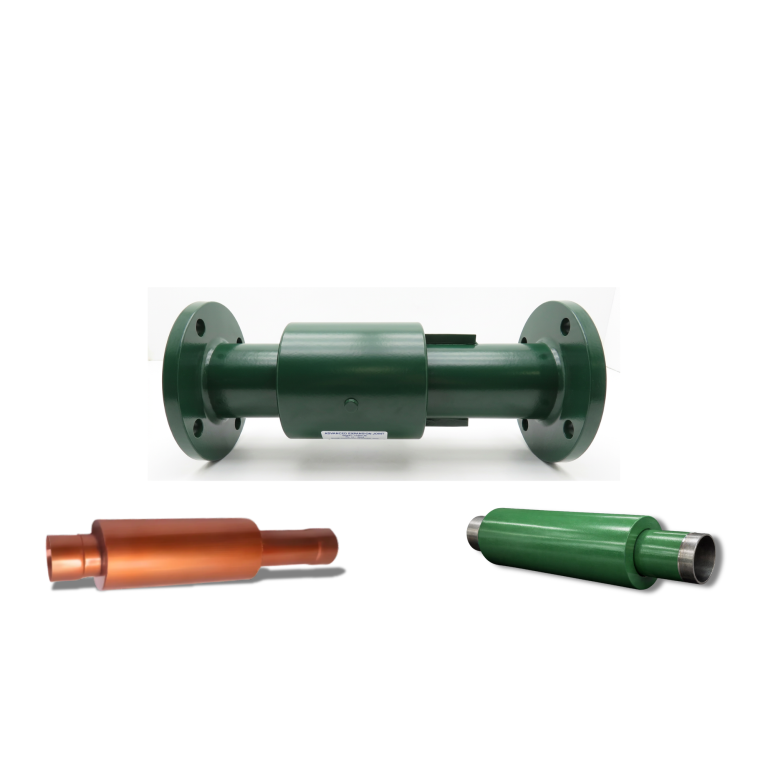
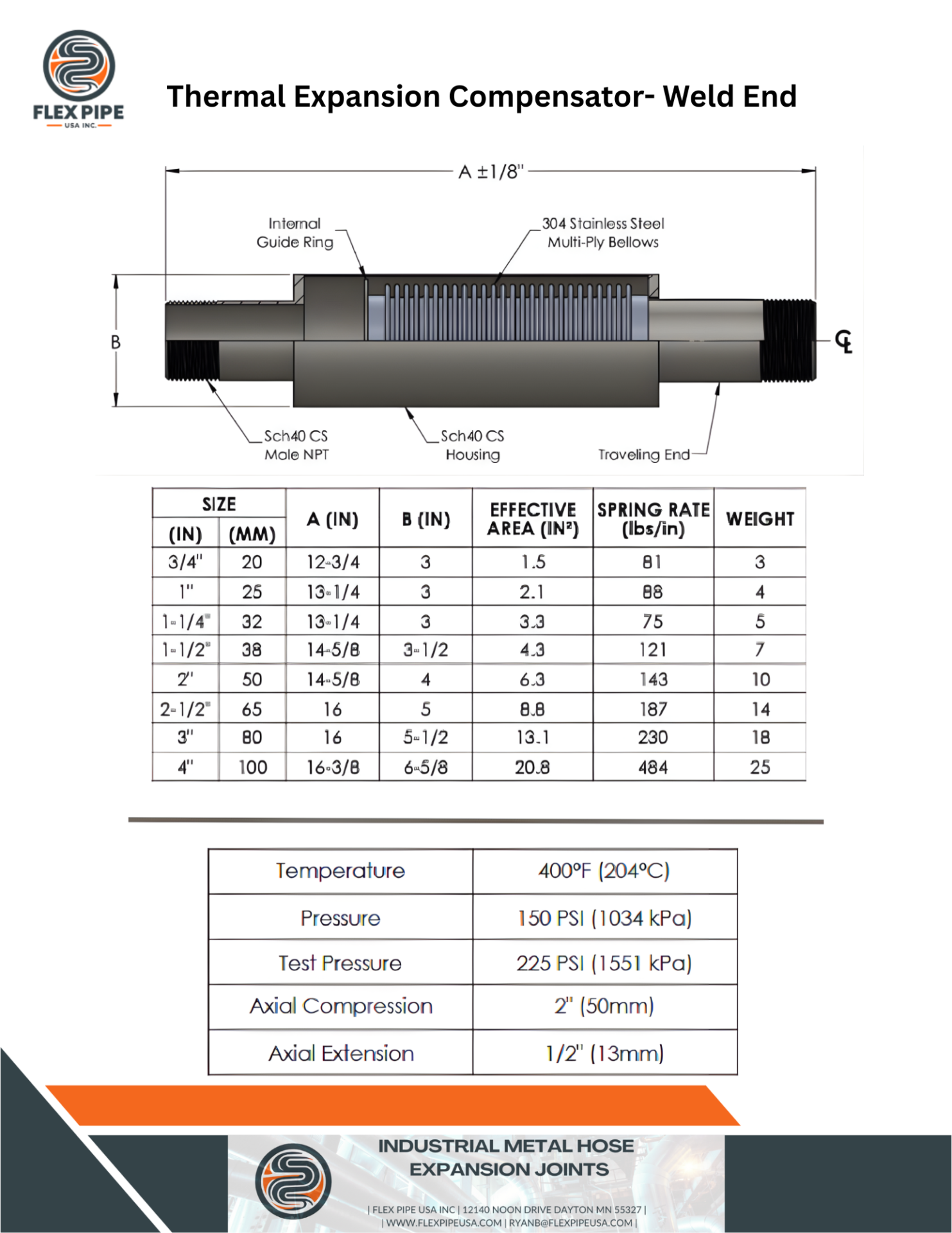
- Pipe compensators
- Guided expansion systems
Engineering Best Practices
- Calculate total movement before layout.
- Use anchors and guides to control movement direction.
- Verify pressure-temperature ratings.
- Prevent excessive lateral loading.
- Coordinate support spacing with expansion devices.
Thermal movement should always be evaluated together with pressure, vibration, seismic displacement, and installation geometry before fabrication approval.
Calculate movement before selecting hardware
Thermal expansion should be calculated before selecting expansion joints, compensators, pipe guides, anchors, or slides. Use pipe material, pipe length, installed temperature, operating temperature, and movement capacity to determine the correct product path.
- Thermal Expansion Calculator
- Pipe Guide Spacing Calculator
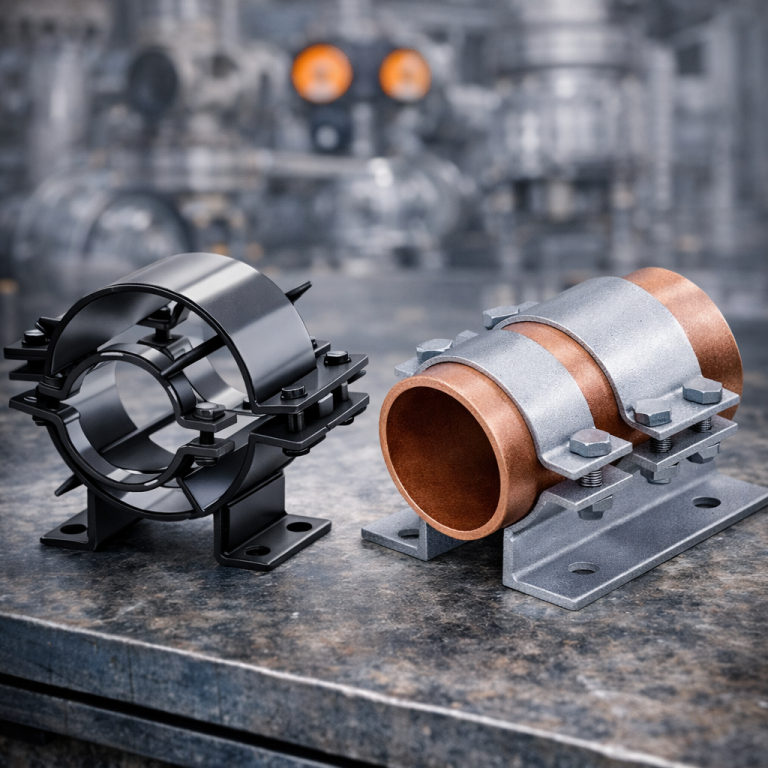
- Pipe guides, anchors, and slides
- Request movement review
Calculate and Control Thermal Movement
- Pipe Thermal Expansion Calculator — estimate preliminary pipe growth.
- Pipe Guide & Thermal Expansion System Review — move from thermal growth into anchors, guides, and movement strategy.
- Expansion Joints and Pipe Compensators — browse movement-control product families.
- Advanced Piping System Review — prepare system-level inputs for pressure thrust and anchor review.
- Engineering Calculators