How Seismic Piping Systems Protect Critical Infrastructure
Critical infrastructure facilities must maintain piping system functionality during seismic events. Hospitals, data centers, industrial plants, and mission-critical mechanical systems frequently require engineered movement compensation systems designed to absorb structural displacement.
What Happens During Seismic Movement?
Buildings move in multiple directions during seismic activity. Piping systems connected across floors, equipment, or structural sections may experience:
- Lateral displacement
- Vertical displacement
- Angular movement
- Torsional stress
Common Seismic Protection Components
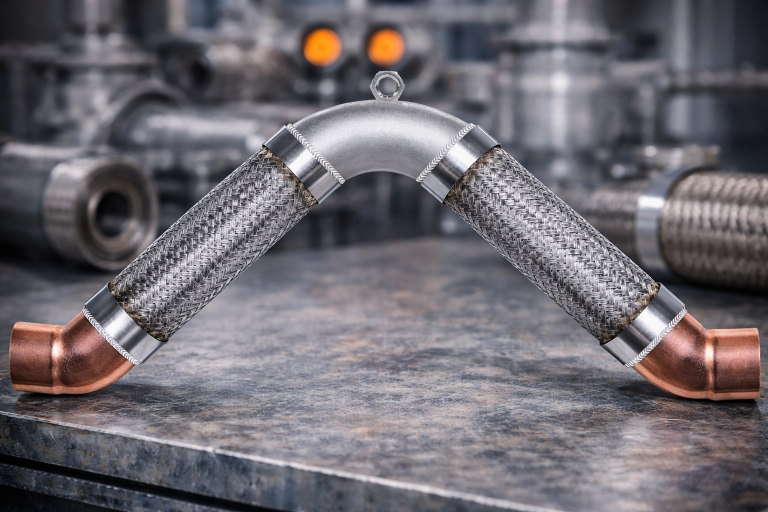
- Seismic V-loops
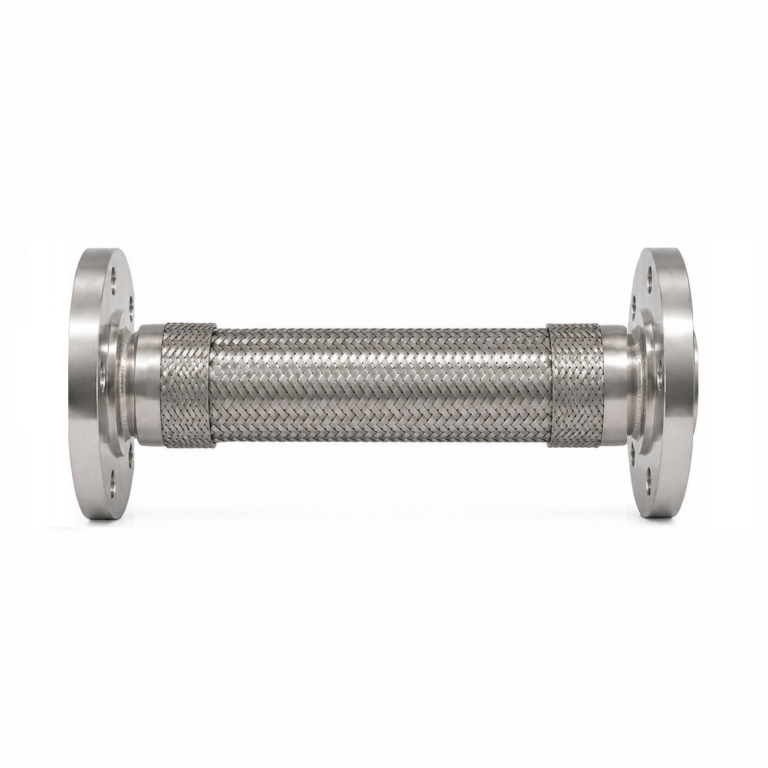
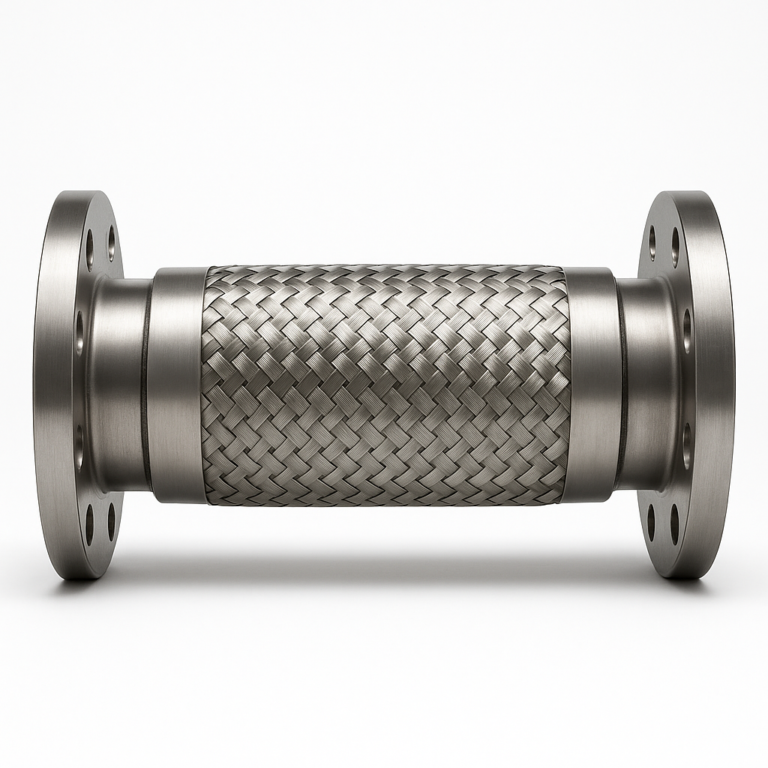
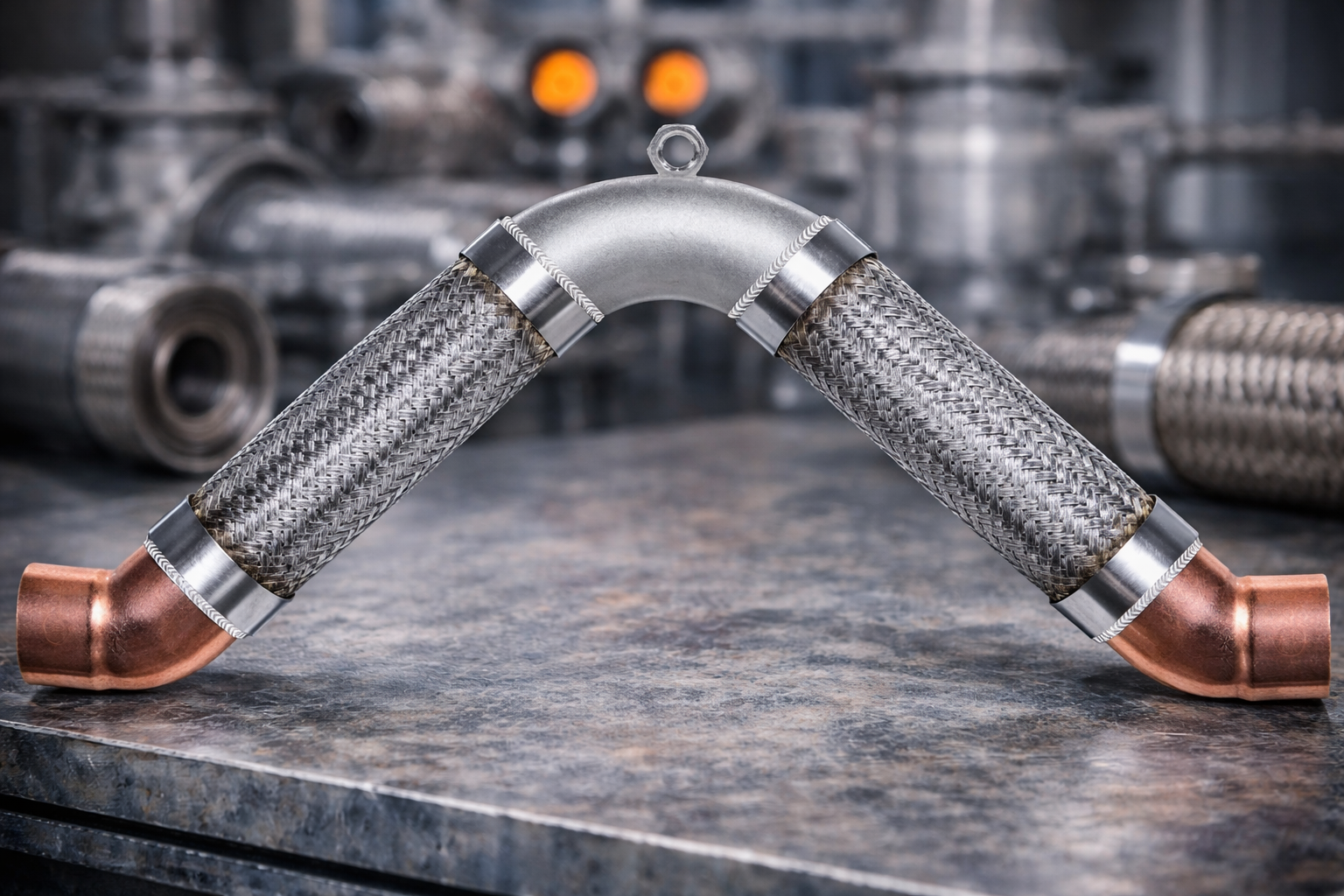
- Flexible metal hose assemblies
- Guided expansion systems
- Anchors and restraints
- Pipe guides and slide supports
Engineering Objectives
- Reduce stress transfer into equipment
- Maintain piping integrity
- Absorb structural displacement
- Protect mechanical systems during movement
Typical Applications
- Hospitals
- Data centers
- Emergency facilities
- Industrial process systems
- Large commercial buildings
Design Considerations
Seismic systems should be reviewed for movement geometry, support spacing, anchor loads, thermal movement interaction, and allowable displacement capability before fabrication and installation.
Need seismic movement reviewed?
Seismic piping conditions should be reviewed with movement direction, required travel, pipe size, connection type, pressure, temperature, media, and anchoring conditions. For critical infrastructure, submit drawings and project requirements before final product selection.
Related Seismic Piping Resources
- Seismic Piping Data by ZIP Code — begin a preliminary location-based seismic review.
- Seismic V-Loops — browse current movement products.
- Seismic & Hydronic Piping Systems — coordinate movement products, flexible connections, and supports.
- Pipe Guide Layout Review — prepare guide and anchor inputs where controlled piping movement is required.
- Engineering Calculators