How Pressure & Temperature Affect Flexible Metal Hose Ratings
Flexible metal hose assemblies must always be evaluated using combined pressure and temperature operating conditions. Pressure capability decreases as operating temperature increases, making pressure-temperature validation critical for safe and reliable piping system performance.
Why Temperature Matters
As temperature increases, the strength of metallic components decreases. Corrugated hose walls, braid reinforcement, and end fittings all experience reduced allowable working pressure at elevated temperatures.
Primary Rating Factors
- Hose material alloy
- Braid configuration
- Operating temperature
- Media type
- Pressure cycling frequency
- Movement conditions
Single vs Double Braid
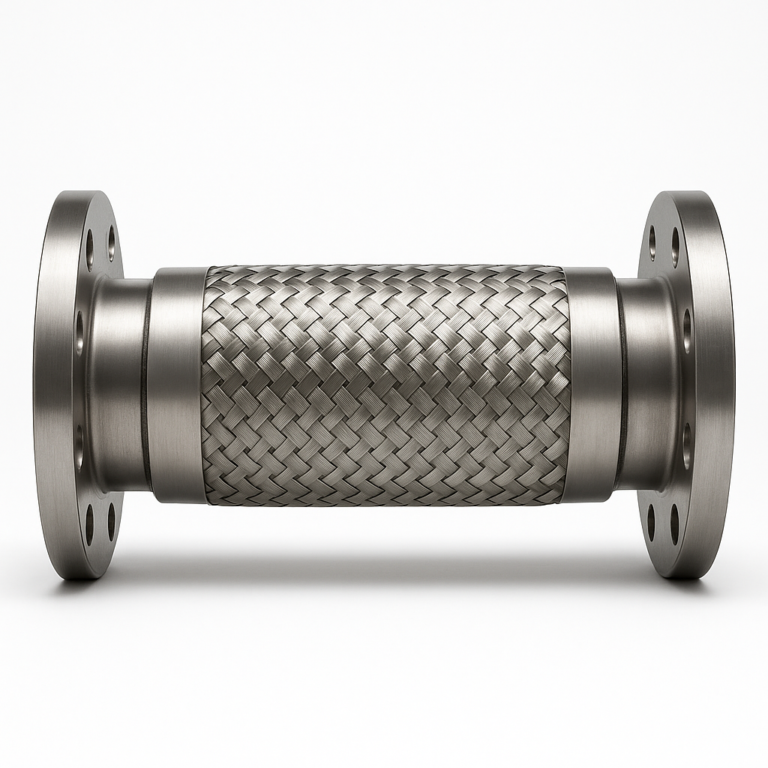
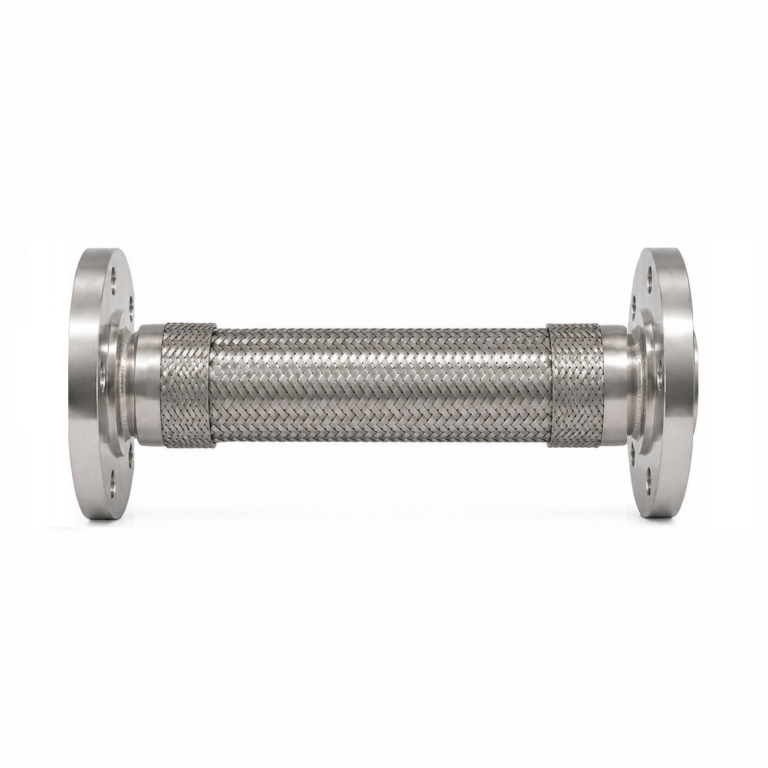
Single braid assemblies provide increased pressure capability over unbraided hose. Double braid assemblies may be required for higher-pressure applications or larger diameters.
Movement Reduces Pressure Capability
Dynamic movement conditions can reduce service life and allowable operating limits. Applications involving vibration, cyclic flexing, or repeated thermal movement should be reviewed carefully during product selection.
Common Engineering Errors
- Selecting hose by pressure only
- Ignoring temperature derating
- Overlooking movement fatigue
- Exceeding bend radius limitations
- Using incorrect fitting materials
Engineering Review
Critical systems should evaluate pressure, temperature, movement, media compatibility, and installation geometry together before fabrication approval.
Use current controlled pressure data for the exact hose construction and completed assembly. The Metal Hose Working Pressure & Temperature Selection page provides the current public pressure-reference path, and the Pressure Derating Calculator supports preliminary temperature adjustment from validated base data.
Route pressure-temperature conditions to the right product
For flexible metal hose assemblies, pressure and temperature must be checked together with hose alloy, braid count, end fitting material, movement, media, and installation geometry. When the operating condition is not standard, submit the application for review before fabrication.
Related Pressure & Selection Resources
- Metal Hose Working Pressure & Temperature Selection — current public pressure-reference charts and assembly limitations.
- Metal Hose Pressure Derating Calculator — preliminary temperature adjustment from validated base data.
- Metal Hose Assembly Catalog — browse current hose constructions and connections.
- Metal Hose Assembly Specification Guide — carry pressure, temperature, movement, and material inputs into the project specification.
- Engineering Calculators