
Metal Hose Installation Mistakes That Cause Premature Failure
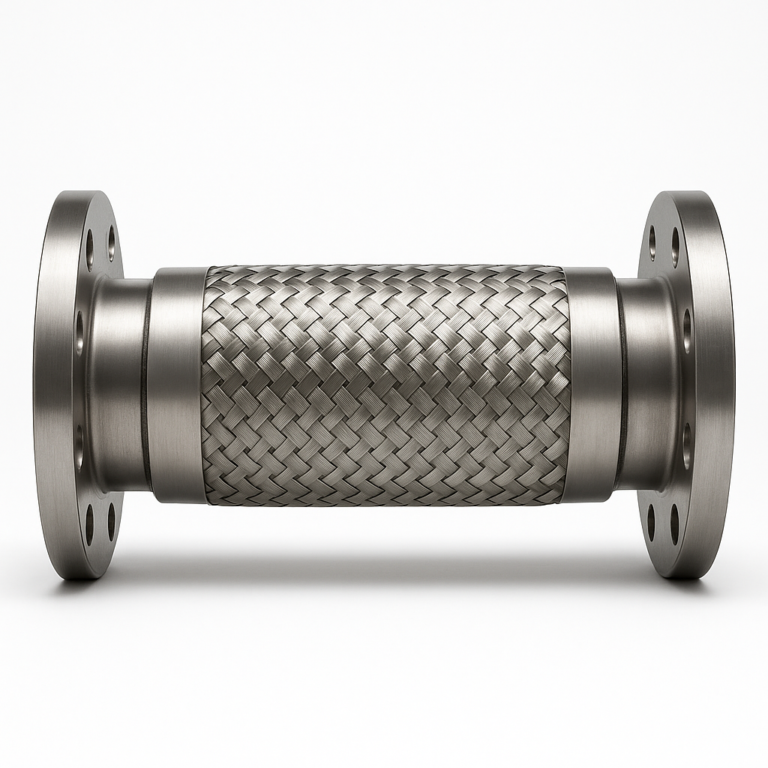
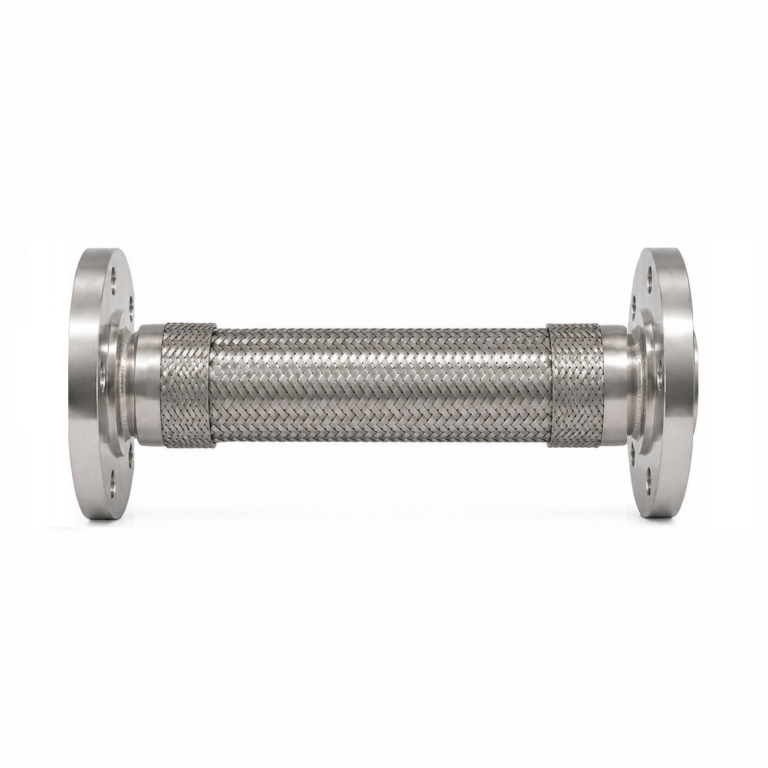
Flexible metal hose assemblies are engineered components designed to absorb vibration, thermal expansion, and limited piping movement. Improper installation practices can dramatically reduce service life and lead to braid fatigue, corrugation failure, leakage, or equipment damage.
1. Torsional Installation Stress
Metal hose assemblies should never be twisted during installation. Torsional loading rapidly fatigues corrugations and braid reinforcement, especially under cyclic pressure conditions.
2. Exceeding Minimum Bend Radius
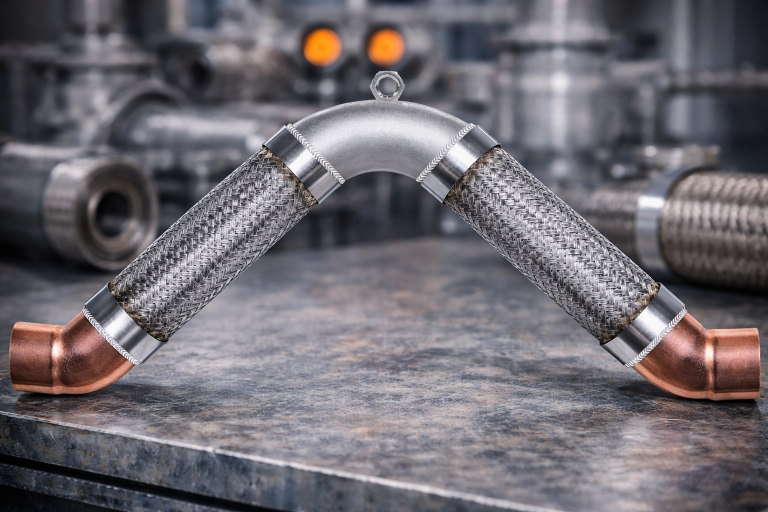
Every hose assembly has a minimum allowable bend radius. Tight bends concentrate stress in localized corrugations and accelerate fatigue failure.
3. Improper Pipe Guiding
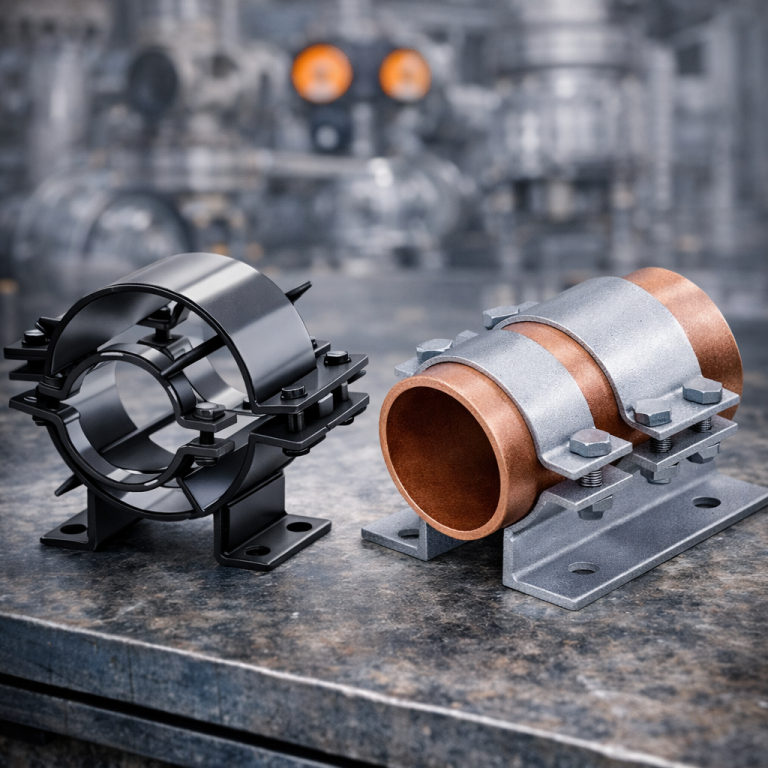
Unguided piping can shift unpredictably during thermal growth, placing lateral loads into flexible connectors and expansion joints.
4. Using Hose to Correct Misalignment
Metal hose assemblies are not intended to compensate for severe installation misalignment. Forced alignment creates constant stress that shortens operational life.
5. Incorrect Pressure or Temperature Selection
Pressure ratings decrease as operating temperature increases. Hose assemblies must always be evaluated using combined pressure-temperature conditions.
6. Inadequate Anchoring
Without proper anchors, pressure thrust forces can transfer into equipment nozzles, pumps, and adjacent piping systems.
7. Ignoring Vibration Dynamics
High-frequency vibration can fatigue braid wires and corrugations over time. Proper hose live length and movement geometry should be evaluated before installation.
Best Practice
Effective flexible piping systems integrate:
- Anchors
- Pipe guides
- Proper bend radius
- Validated movement limits
- Correct pressure-temperature selection
Following engineered installation practices significantly improves service life and system reliability.
Check the hose before ordering
If the installation has an offset, vibration, repeated flexing, short live length, or tight routing, check bend radius before final hose selection. The safest order path is to confirm hose ID, overall length, end connections, movement type, pressure, temperature, and media before fabrication.
- Metal Hose Minimum Bend Radius Calculator
- Metal hose assemblies
- Metal Hose Assembly Specification Guide
- Request installation review
Related Metal Hose Selection Resources
- Metal Hose Length & Bend Radius Calculator — review live length and lateral movement geometry.
- Working Pressure & Temperature Selection — confirm current product-level pressure references and temperature limitations.
- Metal Hose Assembly Specification Guide — define size, OAL, materials, fittings, pressure, temperature, movement, and documentation.
- Metal Hose Assembly Catalog
- Engineering Calculators