If you’ve ever heard a strange banging noise echoing through a building’s mechanical room, there’s a good chance thermal expansion was the culprit. HVAC piping systems carry hot and cold fluids around the clock, and every temperature swing causes the pipes to grow and shrink — sometimes by more than you’d expect. Left unchecked, this constant movement can crack welds, damage equipment, and lead to costly shutdowns. Axial pipe compensators offer a straightforward, reliable solution. By absorbing that movement right where it happens, they keep piping intact, joints secure, and entire HVAC systems running safely for years. In this article, we’ll look at why thermal expansion is such a persistent threat and how axial compensators step in to neutralize it.
Why Thermal Expansion Threatens HVAC Pipes
Thermal expansion is one of those engineering realities that’s easy to underestimate until it causes real damage. Steel pipes in a typical HVAC system can expand by roughly 1.2 mm per meter for every 100°C rise in temperature. In a long straight run — say 30 meters of hot water supply piping — that adds up to over 35 mm of growth. The pipe has to go somewhere, and if the system doesn’t give it room to move, the forces involved become enormous, sometimes reaching tens of thousands of Newtons at anchor points.
The consequences show up in predictable but damaging ways. Excessive stress concentrates at the weakest points in the system: threaded connections, welded joints, flanged connections to pumps, and valve bodies. Over time, cyclic loading from daily temperature changes leads to fatigue cracking. You might not see a catastrophic failure right away, but small leaks develop, fittings loosen, and equipment flanges warp. In chilled water systems, the problem works in reverse — pipes contract and pull on their supports, sometimes lifting off hangers entirely.
What makes the threat particularly tricky in HVAC applications is that the temperature changes are constant and repetitive. Unlike a process plant that might run at a steady temperature for weeks, HVAC systems cycle between heating and cooling modes, ramp up in the morning and dial back at night, and respond to outdoor weather conditions. This means the piping is in a near-continuous state of expansion and contraction. Without a deliberate strategy to accommodate that movement, the system is essentially fighting itself every single day.
How Axial Compensators Absorb the Stress
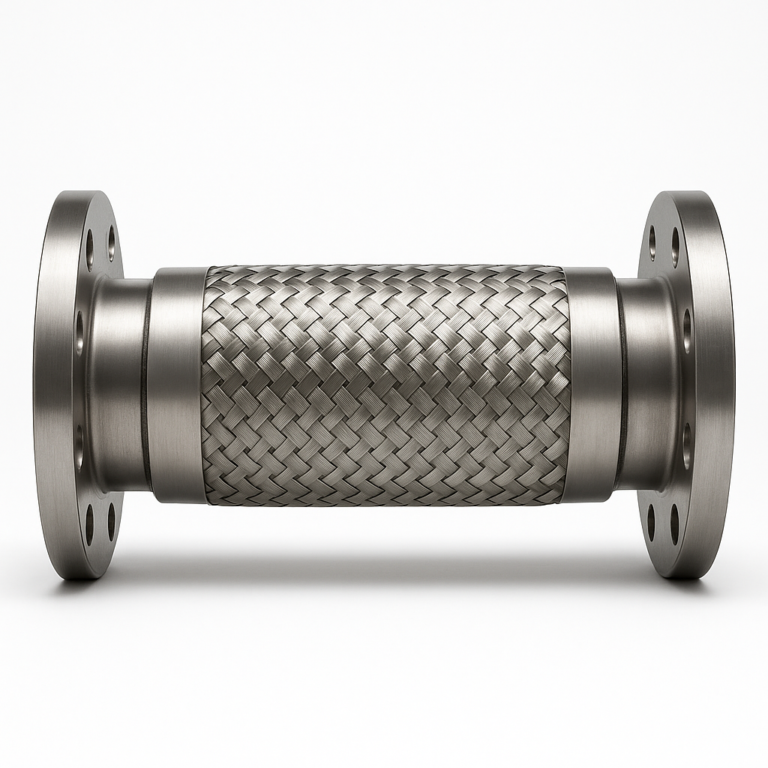
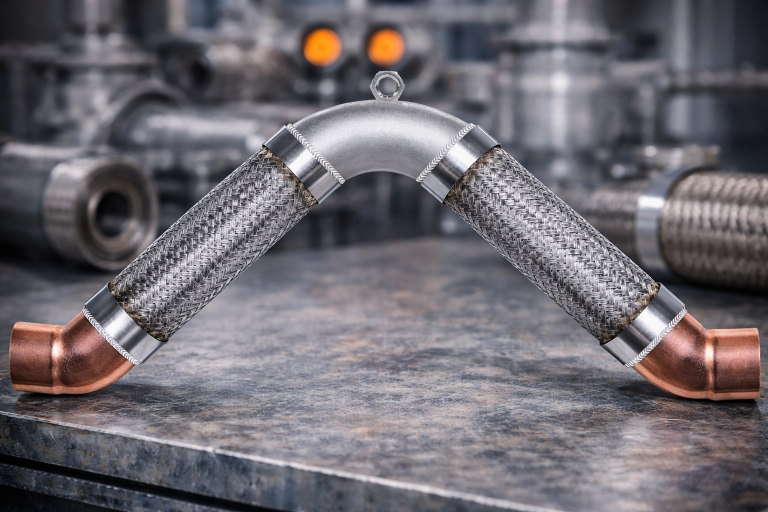
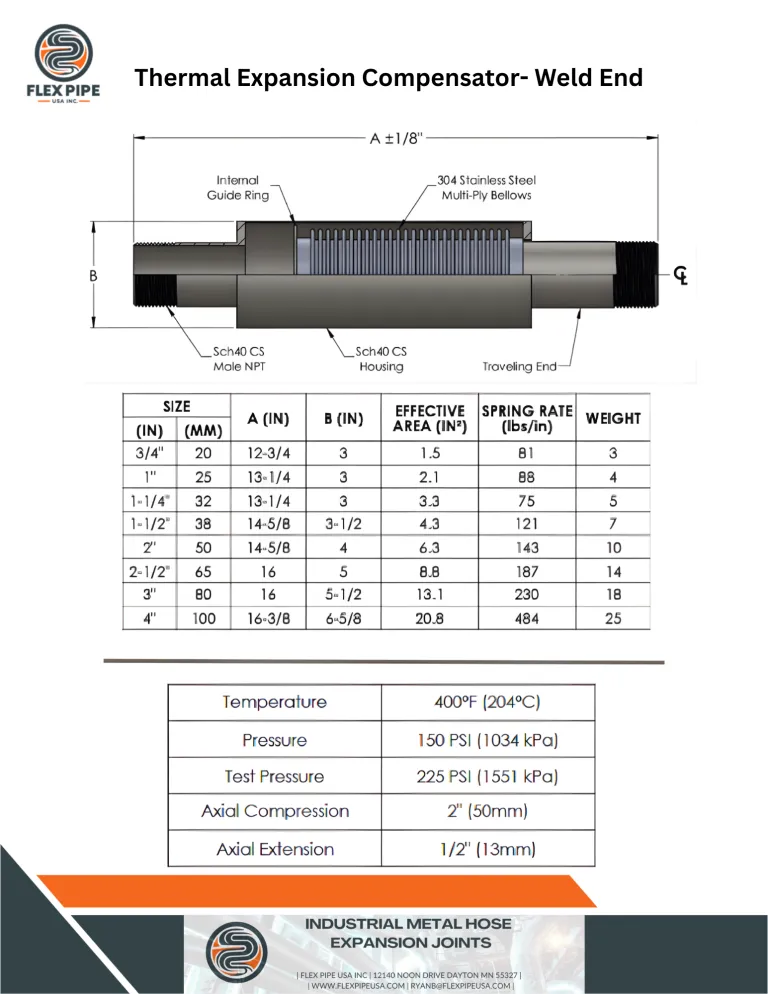
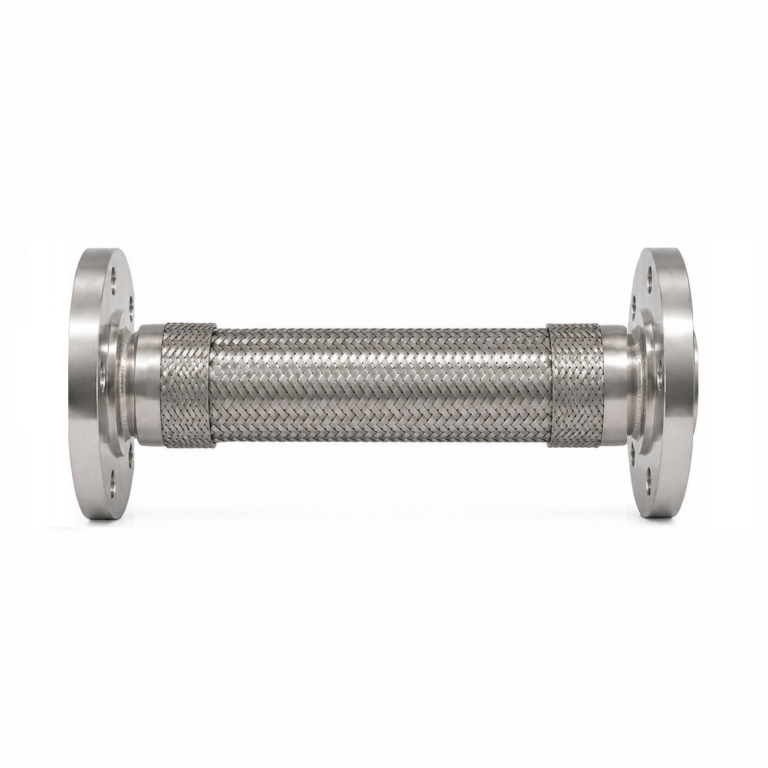
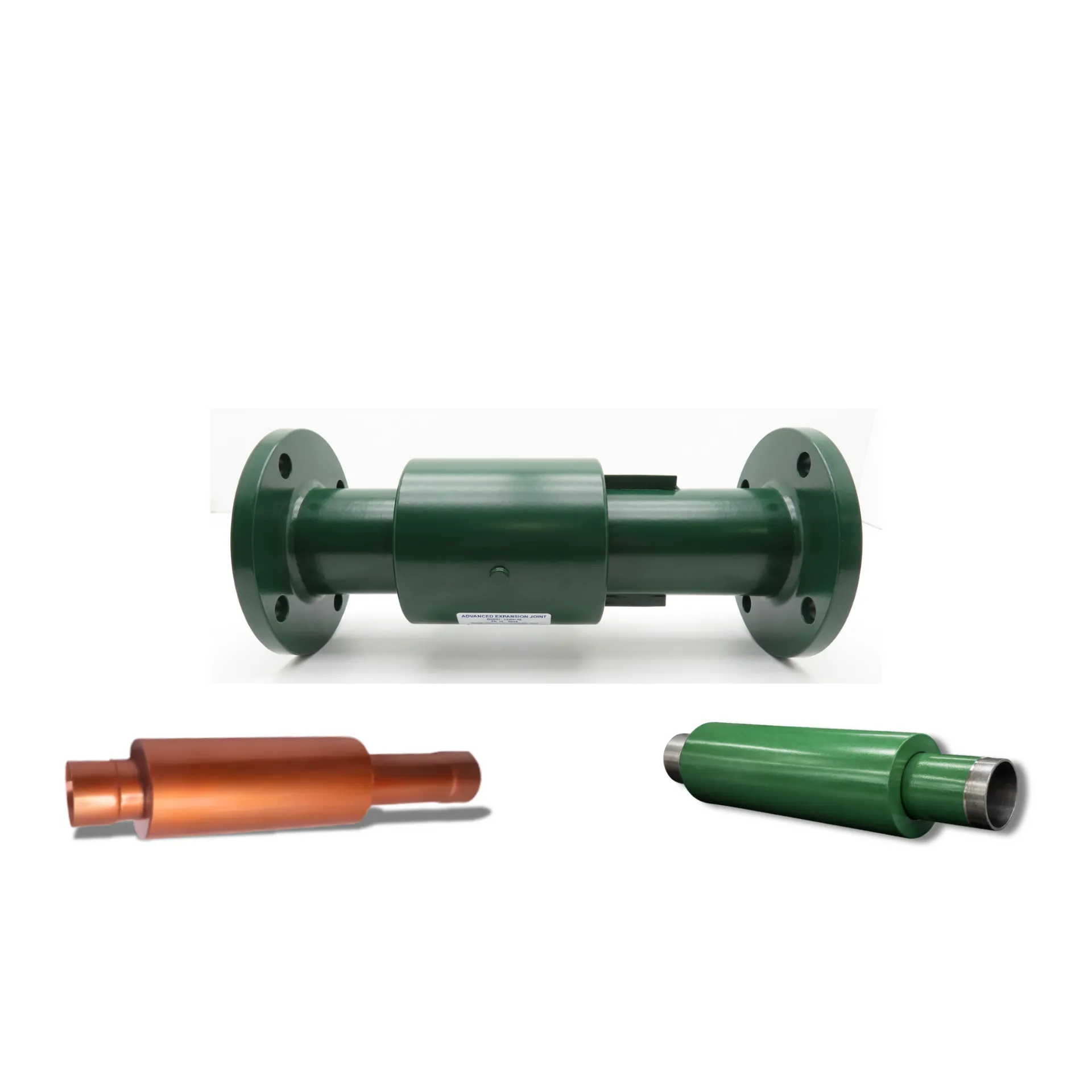
Axial pipe compensators — often called expansion joints or bellows compensators — are designed to do one specific thing extremely well: absorb linear movement along the axis of the pipe. They consist of a flexible metal bellows, typically made from stainless steel, that compresses and extends as the pipe moves. Installed between two fixed anchor points, the compensator takes up the expansion so the pipe, its supports, and connected equipment don’t have to. It’s a simple concept, but the engineering behind a quality bellows is anything but simple — convolution geometry, material thickness, and cycle life all have to be carefully matched to the application.
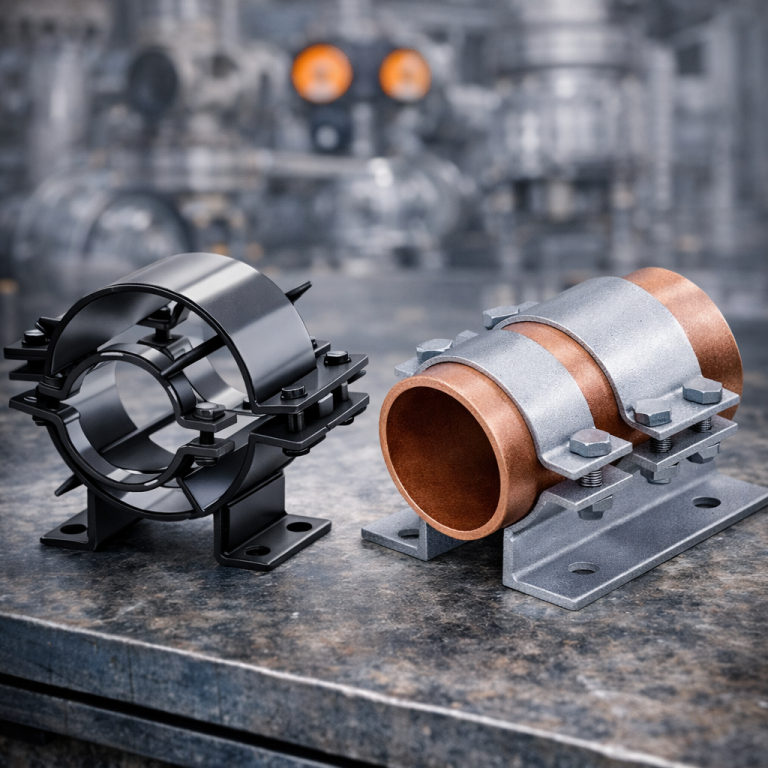
In a well-designed HVAC installation, axial compensators are positioned so that each straight section of pipe has a defined expansion budget. Engineers calculate the expected movement based on pipe length, material, and operating temperature range, then select a compensator with adequate axial travel. Proper anchoring is critical — the compensator needs fixed points on either side to work correctly. Pipe guides are also installed at specific intervals to prevent the pipe from buckling or moving laterally, ensuring that all the movement is directed straight into the bellows where it belongs.
The practical benefits go beyond just preventing pipe damage. By absorbing thermal stress, axial compensators protect pumps, heat exchangers, air handling units, and control valves from the forces that would otherwise be transmitted through rigid piping. This reduces maintenance costs, extends equipment life, and minimizes the risk of unplanned downtime — something no building manager wants to deal with in the middle of winter or a summer heat wave. When properly specified and installed, a quality axial compensator can handle tens of thousands of cycles over its service life, quietly doing its job without anyone giving it a second thought.
Thermal expansion isn’t a problem you can ignore and hope for the best. Every HVAC piping system deals with it, and the ones that handle it well are the ones that last. Axial pipe compensators provide a proven, mechanical solution that absorbs movement, reduces stress on critical components, and keeps the entire system operating safely. The key is proper engineering — selecting the right compensator for the expected movement, anchoring and guiding the pipe correctly, and using quality materials that can withstand years of cyclic duty. When those fundamentals are in place, axial compensators become one of those behind-the-scenes components that quietly prevent problems most people never even know were possible.
A close-up realistic photo of a stainless steel axial bellows expansion joint installed in a large-diameter HVAC piping system inside an industrial mechanical room, with painted steel pipes running horizontally, pipe supports and guides visible along the run, warm overhead lighting casting natural shadows on metallic surfaces, clean concrete floor below, shallow depth of field emphasizing the bellows convolutions, professional 16:9 landscape composition with soft-focus background leaving open space on the left side suitable for text overlay
Related Engineering Tools
- Pipe Thermal Expansion Calculator — estimate the axial movement a compensator may need to accommodate.
- Pipe Guide Layout Review — organize anchor and guide conditions for a controlled axial system.
- Pipe Compensators — browse current compensator products.
- Advanced Piping System Review — evaluate movement strategy, pressure thrust, anchors, and system geometry.
- Engineering Calculators