
Digitizing Industrial Piping Procurement for HVAC and Mechanical Systems
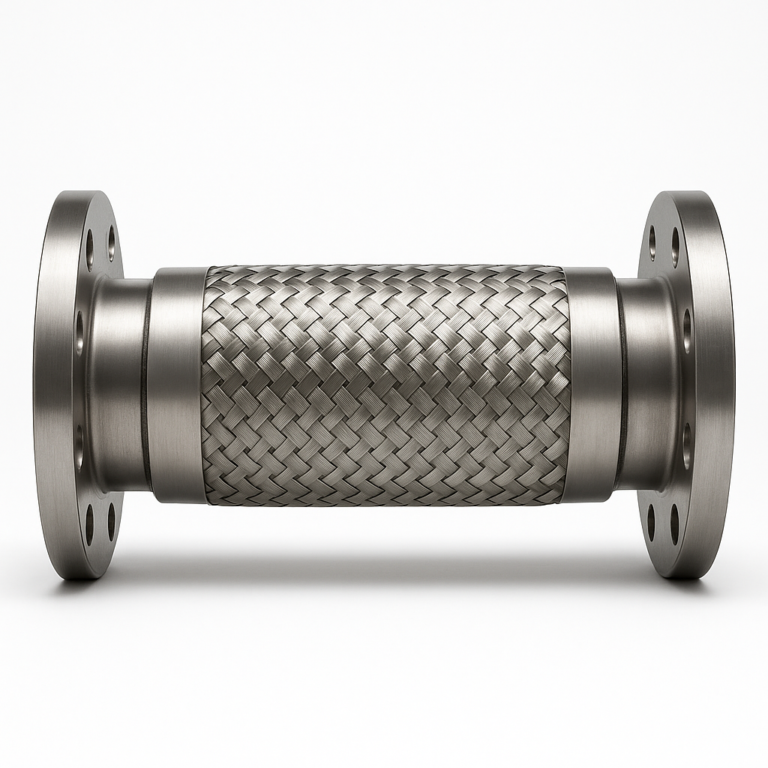
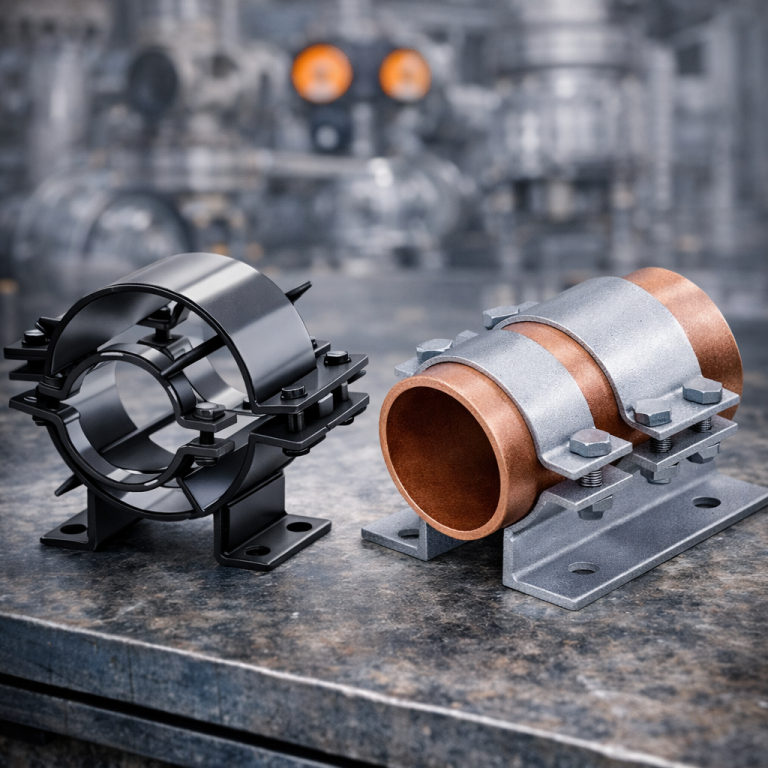
Industrial piping procurement is transitioning from fragmented RFQ workflows toward digitally validated engineering commerce systems. Traditional procurement cycles introduce specification ambiguity, engineering delays, and unnecessary project risk when selecting metal hose assemblies, expansion joints, seismic compensators, and pipe guide systems.
Where Traditional Procurement Fails
- Manual quote interpretation
- Material mismatches
- Incorrect movement assumptions
- Extended revision cycles
- Delayed fabrication approval
These issues frequently result in downtime, field rework, and installation schedule disruption.
Engineering Validation at Configuration Level
Modern digital systems reduce errors by validating:
- Pressure-temperature compatibility
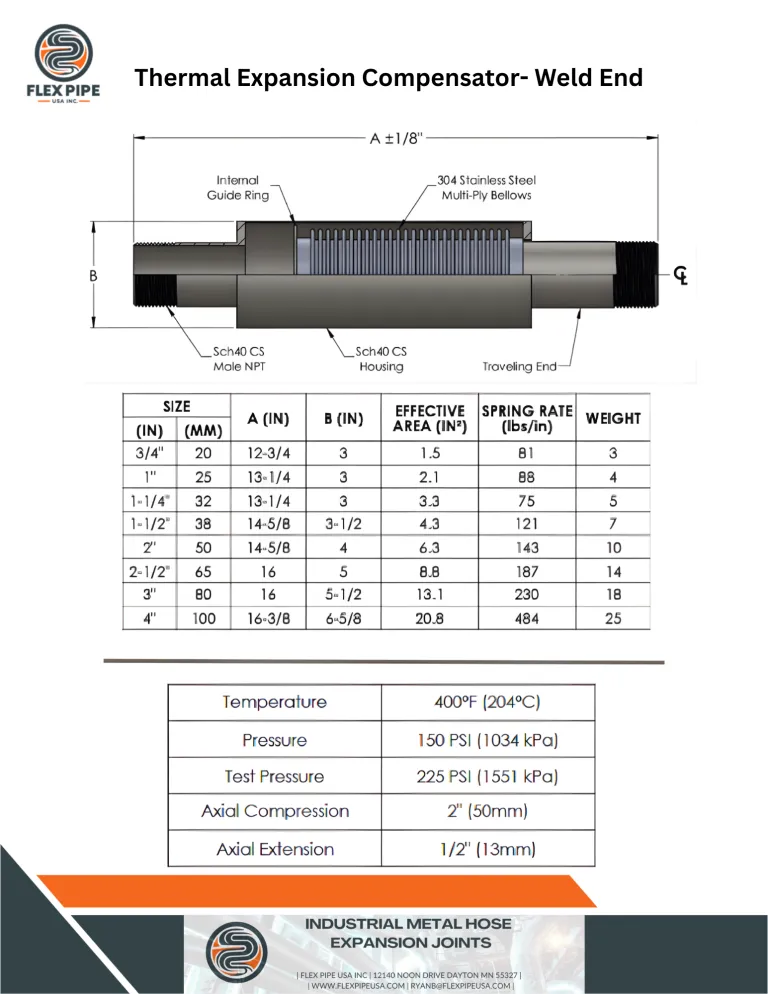
- Movement capability
- Connection geometry
- Material selection
- Minimum bend radius
Constraint-based engineering logic reduces the likelihood of invalid assemblies entering fabrication workflows.
Seismic and Thermal Movement Systems
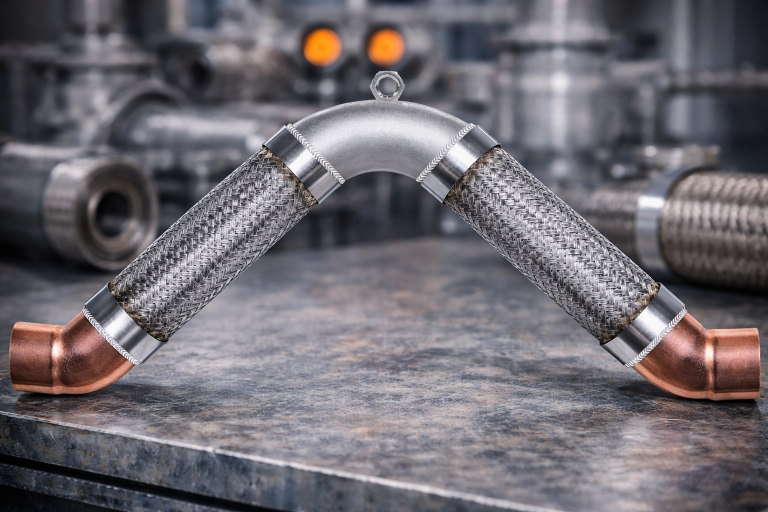
Mechanical systems experience movement from thermal growth, equipment vibration, and structural displacement. Seismic V-loops, pipe compensators, metal hose assemblies, and guided expansion systems absorb this movement while protecting anchors, pumps, chillers, and equipment nozzles.
Lean Manufacturing and Modularization
Modular piping systems reduce custom fabrication variability and simplify repeatable procurement workflows. Standardized configurations support:
- Reduced lead times
- Improved installation speed
- Lower inventory overhead
- Reduced field welding
Future of B2B Mechanical Procurement
Engineering commerce platforms increasingly integrate quoting, validation, CAD resources, submittal generation, and procurement into unified workflows. This reduces non-value-added engineering cycles and improves specification accuracy.
Effective industrial procurement connects controlled engineering inputs, product configuration rules, technical resources, RFQ review, and order release so commercial speed does not bypass required engineering checks.
Turn engineering inputs into faster procurement
Digital procurement works best when calculators, product pages, RFQ forms, and specification guides are connected. Use calculator results to reduce ambiguity before quote review, especially for metal hose assemblies, expansion joints, seismic loops, and guide systems.